

Discovering math in our community
Math is not just limited to the classroom. Children come across math in their homes, schools, neighborhoods, businesses, libraries, museums, parks, and other community spaces. Going around these places allows the students to see how math is connected in the real life and helps them understand that they can use mathematical thinking in many different situations.
Cherokee County Public Library
The Cherokee County Library is a valuable community resource for students and families. The library offers access to children's books, educational materials, technology, programs, and activities that can support learning when they aren't in school.
Families can use the library to explore math through children's books, puzzles, games, counting activities, patterns, and other educational resources. Students can also practice math skills by comparing book sizes, counting books, organizing tools, looking for numbers, and exploring patterns.
How this supports equity: The library offers free or low-cost access to educational resources, helping lower barriers for families who might not have the same access to books, technology, or learning materials at home.
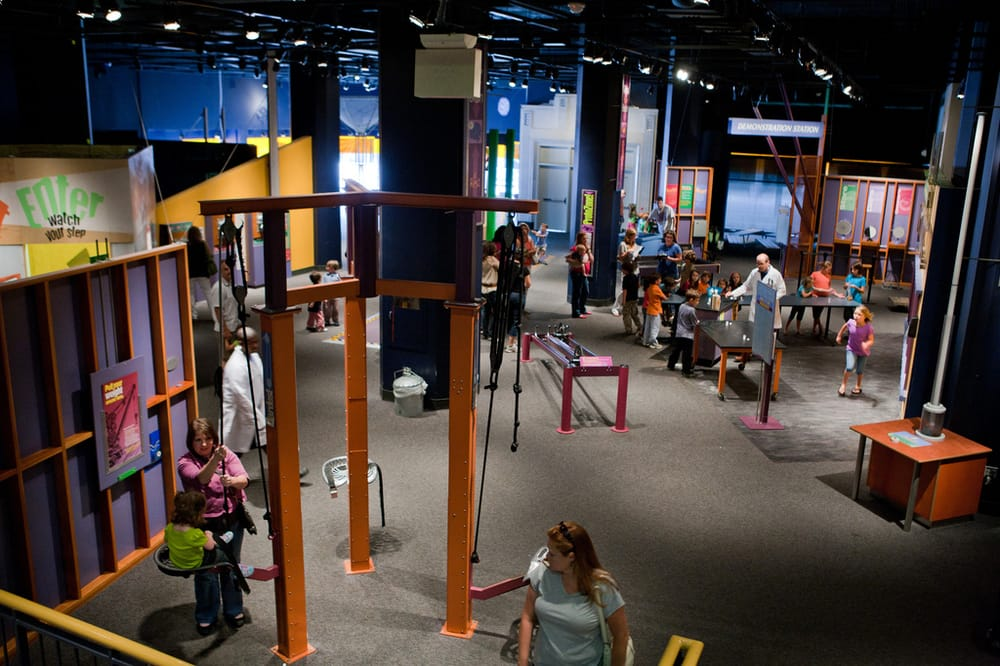
McWane Science Center
The McWane Science Center in Birmingham offers hands-on science, technology, engineering, and math experiences for children and families. Students can explore concepts like measurement, patterns, spatial reasoning, problem solving, data, and geometry through interactive exhibits and activities.
A visit can turn math concepts into activities that students can see, think about, investigate, and discuss. Teachers can connect math from the classroom to activities students encounter during a field trip.
How this supports equity: Hands-on STEM experiences offer students more ways to engage with math beyond simple worksheets and lessons. Interactive learning can support students with different interests, learning preferences, and strengths.
Alabama 4-H
4-H offers educational and hands-on learning changes for kids. Activities can connect mathematics to STEM, agriculture, technology, problem solving, and real-world experiences
Students can use mathematical thinking while collecting and interpreting information, measuring, planning, comparing, solving problems, and working with others. These experiences can help students understand how math is used outside of school.
How this supports equity: Experiential learning gives students chances to apply math to authentic situations while connecting learning to their interests, communities, and everyday experiences.
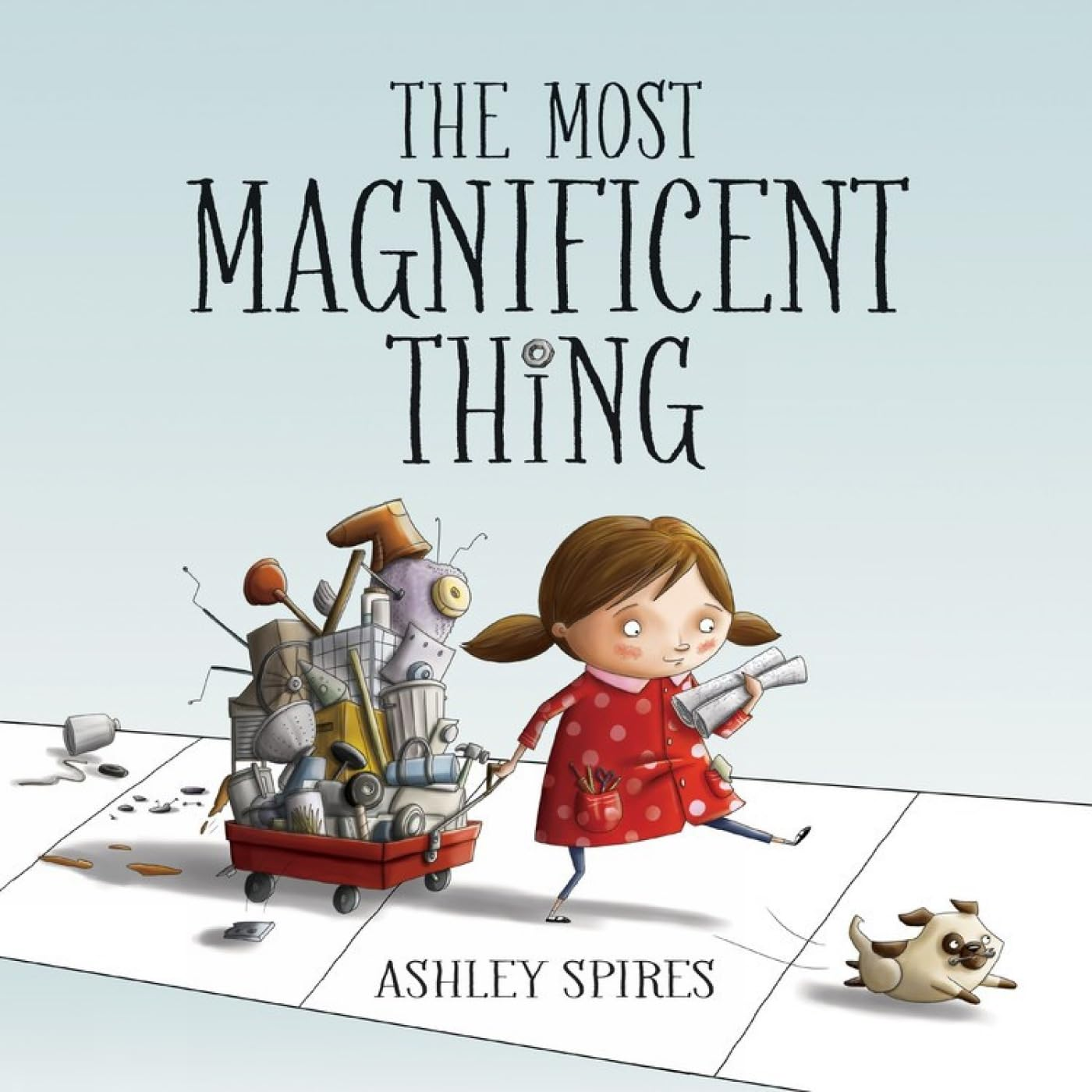
Family Math Book
The Most Magnificent Thing—Ashley Spires
The Most Magnificent Thing follows a young girl and her dog as they try to create something they imagine. When her ideas don't work the way she expects them to, she becomes frustrated. Instead of just giving up, she takes a break, thinks about what she has learned, and tries again. The story teaches children that mistakes, persistance, and trying different strategies are important parts of learning.
Math Concepts It Supports:
This book can be connected to many different mathematical concepts, including:
-
Problem solving
-
Measurement
-
Comparing size and length
-
Shapes and spatial reasoning
-
Patterns
-
Estimation
-
Designing and creating
-
Mathematical reasoning and perseverance
3 Family Math Activities
- Design and MeasureHave your child make their own "magnificent thing" using materials available at home, like a cardboard, paper, blocks, boxes, or recycled materials. Ask your child to measure the pieces and compare their sizes. Encourage them to explain the shapes they used.
- Try a Different MethodGive your child a simple building or problem-solving challenge. If their first idea doesn't work, ask, "What could you change?" or "What could you try differently?" Talk about how making mistakes can help us learn and improve.
- Find Math Around Your HomeHave your child look around the house for shapes, patterns, numbers, and objects that can be measured or compared. Ask them to choose several objects and explain how they are alike, different, longer, shorter, heavier, lighter, or organized into groups.
Discover Math Where You Live
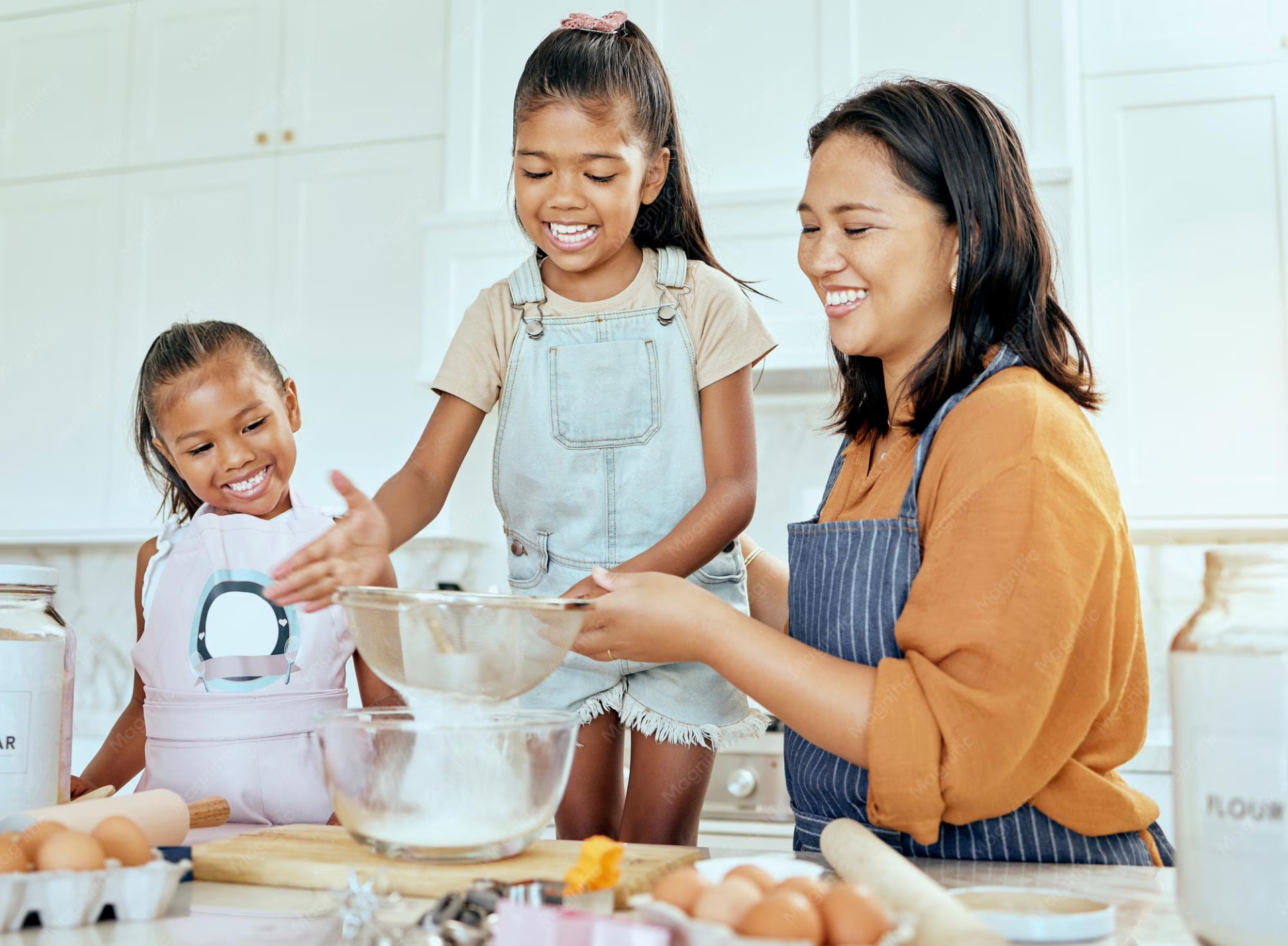
Families don't have to travel or spend money to find mathematics. Math can be found in everyday activities like cooking, shopping, sports, building, gardening, budgeting, measuring, and playing games.
Ask your child:
- Where do you see numbers in our community?
- What shapes can you find?
- Where do people use measurements?
- Where do you see patterns?
- How is math used in your favorite sport or activity?
- What problems could mathematics help us solve?
The goal is to help children recognize that math is all around them and that everyone is able to be a mathematician.
Create Your Own Website With Webador