

Cultivating mathematical confidence
My mathematics teaching philosophy has continued to grow as I learned more about mathematical mindsets, equality, and the different experiences students bring into the classroom. I think that every student is capable of learning mathematics and deserves a real meaningful chance to participate in challenging and interesting mathematical experiences. One bias thing I see in math education is the belief that some students are just naturally “good at math," while others are just simply not math people. I think this mindset can negatively affect students’ confidence and willingness to take risks when solving problems. Students might also experience inequalities because of their different backgrounds, access to resources, language, disabilities, or previous experiences with math.
As a future teacher, I want to create a math classroom where every student feels valued and knows that their mathematical thinking matters. I will give students different ways to learn and show their understanding through manipulatives, visuals, technology, real-world examples, collaborative activities, and chances for them to explain their reasoning. I will also use formative assessments to identify students’ needs and offer appropriate support and scaffolding while still keeping high expectations for all learners.
Recognizing and respecting students' cultures, languages, families, interests, and experiences is another part of equity in mathematics. I'll try to find ways to relate mathematical ideas to real-life situations that my students can relate to. Also, I will keep in mind that not every student has access to the same resources or help at home. In order to prevent children from being disadvantaged due to difficulties outside of the classroom, I will, whenever necessary, provide resources and educational opportunities at school.
I want students to realize that learning mathematics involves both productive struggle and mistakes. I'll push students to experiment with different strategies, explain their ideas, ask questions, and grow from their mistakes. I will recognize kids' effort, thinking, creativity, and perseverance rather than just their right answers. Additionally, I will help students in realizing that their mathematics skills can improve instead of categorizing them as "good" or "bad."
My end goal is to create an inclusive mathematics classroom where every student has the opportunity to engage in challenging and meaningful learning experiences. In addition to improving math skills, I want my students to gain the confidence, hard work, and mindset necessary to see themselves as skilled mathematicians.
How children learn math effectively
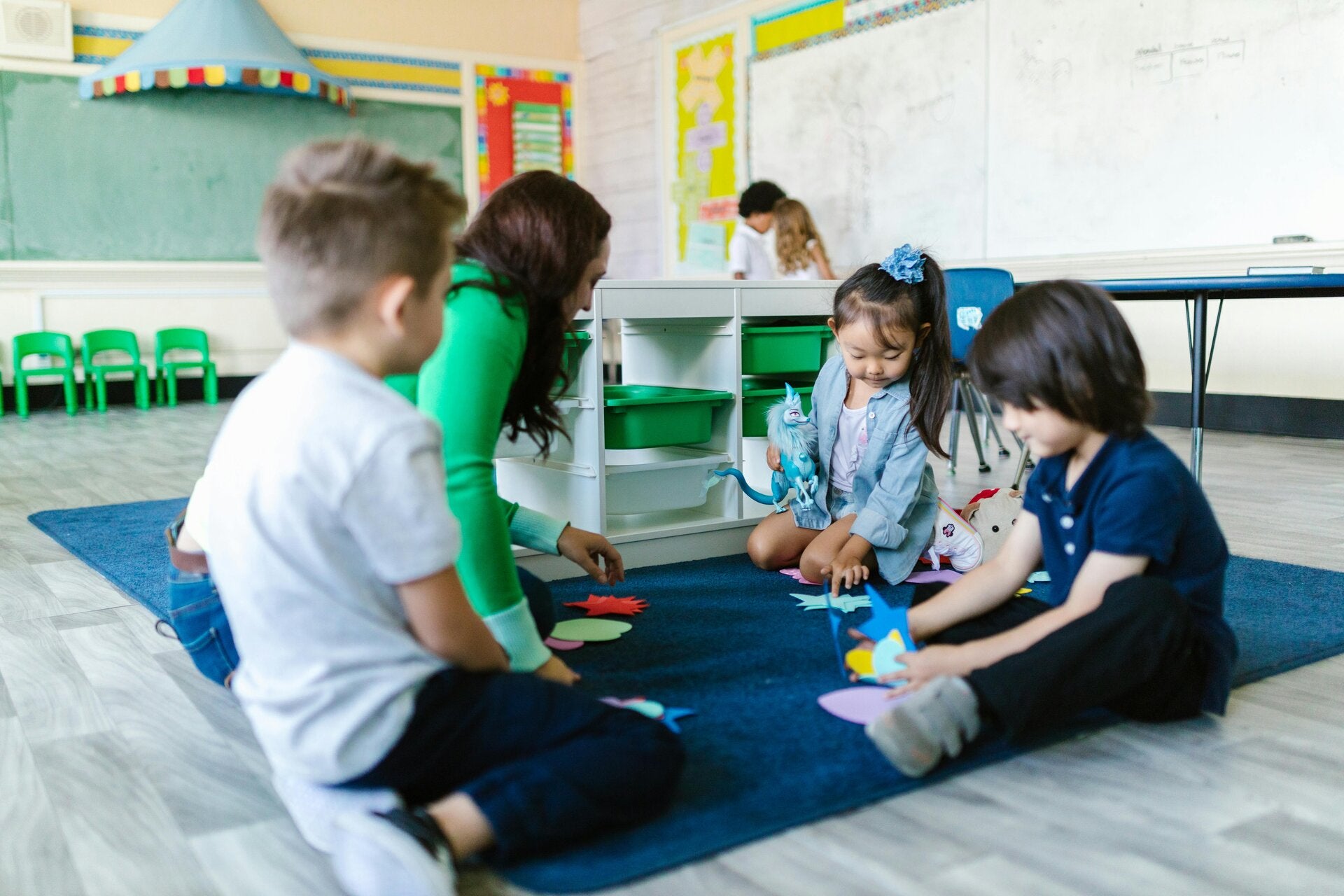
I believe children learn mathematics best when they actively participate in making sense of mathematical ideas, rather than just memorizing rules. Students need opportunities to investigate, ask questions, use manipulatives and visual aids, solve meaningful problems, and express their ideas in their own words. Mistakes and constructive struggle are vital parts of learning, as they encourage critical thinking, strategy exploration, and resilience.

Fostering confidence and positivity in math
My teaching philosophy aims to build confidence by creating a classroom environment where mistakes are seen as normal and beneficial learning opportunities. I want students to understand that success in mathematics isn't about being the fastest or always knowing the answer immediately. Instead, I will value effort, growth, new strategies, perseverance, and meaningful questions over just getting the right answer.
I will also create opportunities for students to collaborate, share ideas, use diverse methods, and connect math to real-world scenarios. As students realize their opinions are respected and there are multiple paths to a solution, they will feel more comfortable taking risks. I will use positive language and provide detailed feedback to help them understand what they know and what to focus on next.
Above all, I want students to believe that they can improve their mathematics skills. Instead of thinking, "I can't do math," I want students to think, "I don't understand this yet," when they come across a challenging concept. My goal is for students to feel skilled, encouraged, and motivated to keep trying even when math is difficult when they leave my classroom.
Key teaching methods for mathematical understanding
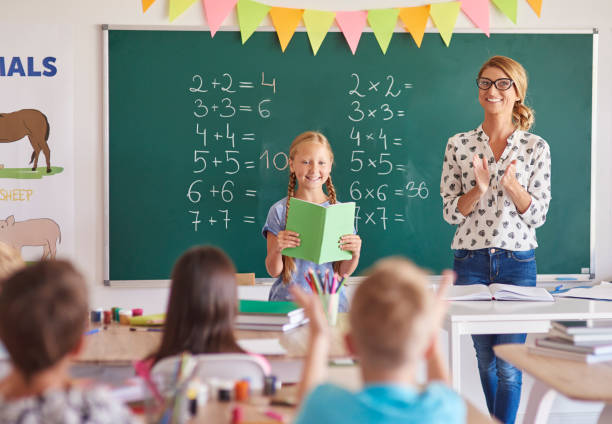
I plan to teach mathematics through a combination of hands-on learning, problem-solving, mathematical discussions, and real-world connections. I will use manipulatives, visual models, number lines, drawings, technology, and equations to help students grasp concepts in multiple ways. I will provide meaningful problems that encourage students to think, make connections, try different strategies, and explain why their approaches work.
Questioning and mathematical discourse will be used regularly in my classroom. Instead of immediately providing the solutions, I will ask questions that encourage students to explain their thinking, compare strategies, and learn from their classmates. I allow time for productive struggle, helping students view mistakes as valuable learning opportunities.
I will differentiate instruction by providing appropriate scaffolds, accommodations, modeling, and additional practice when students need support while maintaining high expectations for all learners. I will use formative assessment and student work to identify what students understand and adjust my instruction accordingly. Most importantly, I want my teaching to communicate that every student belongs in mathematics and has valuable ideas to contribute.
"My ultimate goal is to empower every student to see themselves as a capable and confident mathematician, ready to tackle challenges with curiosity and resilience."
[Brittney Bedwell], Future Elementary Educator
Create Your Own Website With Webador